
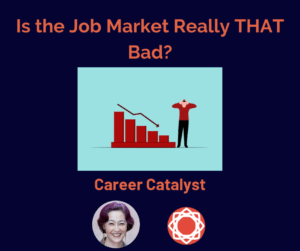
If you read the assorted reports out there, you might be very confused about the state of the job market. Some sources say it’s great and unemployment is low, some sources say it’s terrible and actual unemployment is high, and some say a very unclear mix of both. So what’s the real story?
For starters, hiring for so-called white-collar jobs is absolutely sluggish. The rise of AI, vast economic and political uncertainty, and things aren’t getting any better. People are engaging in “job-hugging,” or sticking with jobs they don’t like because they don’t want to have to go through the search again. Layoffs continue, even in sectors that had previously been sheltered from them.
So it’s not your imagination if you’re looking for a job now and things seem incredibly difficult.
But I promise it’s not hopeless! Yes, your search will probably be longer, more frustrating, and more annoying than in the past. Yes, you’ll likely have to jump through some dumb hoops like AI screenings and multiple rounds of interviews. Yes, you’ll send out applications for things you’re amply qualified for and hear crickets.
But these tips can help you navigate this weird and difficult landscape.
- Tailor your resume to each job. Yes, each job. Yes, I know that’s more work. This is always important, but it’s especially true when employers have all the power, as they do now. Use a clean, simple format, highlight how your skills match what they’re seeking, and run your document through a resume-specific tool like JobScan or Resumly to compare your application to the job description. These tools are much better than general AI tools, which rely on sample resumes that exist on online, and most of those are terrible.
- Update your social media presence. For most of us, that means LinkedIn, but if you’re in a creative field, spend some time on your portfolio, and if you’re in teach, tend to that GitHub. Remember that the initial discovery of you and your skills is likely someone who doesn’t do what you do, probably a recruiter or HR professional. So those first impressions really matter, and it’s more important than ever to match your skills to what you’re seeking.
- Build and nurture your relationships. I know everyone talks about networking, and I also know that most of us hear that word with a sense of dread. But your professional network is really just a bunch of people you find interesting in your field and related ones. Work to have meaningful conversations with peers from your industry or desired industry. Let old connections know what you’re looking for. Seek information about potential employers from people who already work there. But use caution. Networking is not asking for leads or preferential treatment. You may absolutely ask for advice or opinions about where the field is going, but you won’t have any luck if you simply ask for jobs.
- Use AI (with great caution) to identify roles, companies, or industries that might be a good fit. Be sure you’re not sharing personally-identifiable information with the tools, but ask for helpful things like lists of employers or jobs that seem to match your skills. AI is not, of course, error-free, but this can be an excellent starting place if you’re feeling lost.
- Take breaks as you need them. Looking for a job is exhausting, overwhelming, and frustrating, so go at a pace that’s sustainable for you, and be sure to step away from your computer every so often. Your motivation and your eyeballs will thank you.